
The Rich History of Portugal & Portuguese Empire: Real Facts 2025

Portugal, a small country with a rich history, has played a significant role in shaping the world. From ancient times to the modern era, Portugal’s history is filled with fascinating events and influential figures. This blog explores the key periods in the history of Portugal, highlighting its remarkable journey.
Ancient Stage in History of Portugal
1. Prehistoric Times
The history of Portugal begins in prehistoric times. Early humans settled in what is now Portugal thousands of years ago. Significant archaeological findings, such as the Lapedo Child, discovered in 1998 in the Lagar Velho site, provide valuable insights into these ancient peoples and their way of life.
The Lapedo Child, a Paleolithic burial, dates back to about 24,500 years ago and shows a blend of Neanderthal and modern human traits, offering a glimpse into the early human history of the region.
Moreover, if you want to stay in Portugal on passive income visa to explore its rich history.
2. Roman Era
The Romans conquered the Iberian Peninsula around 200 BC, integrating what is now Portugal into the Roman Empire as the province of Lusitania. This period brought significant changes, including the construction of roads, bridges, and towns.
Moreover, important Roman sites in Portugal include Coimbra, one of the largest Roman settlements on the peninsula, and the ruins of the Roman Temple of Évora. Roman culture and infrastructure left a lasting impact on Portugal, influencing its architecture, language, and urban planning. The Latin language of the Romans evolved into Portuguese, and many modern cities, such as Lisbon (Olisipo) and Braga (Braganca Augusta), were established during this period.
The Middle Ages in History of Portugal
1. Visigoth and Moorish Rule
After the fall of the Roman Empire, the Visigoths took control of the Iberian Peninsula, including Portugal, around the 5th century AD. In the early 8th century, the Moors, Muslim invaders from North Africa, conquered large parts of the region, including most of Portugal. The Moorish influence is evident in the architecture, such as the Castle of Silves and the Alhambra in nearby Spain.
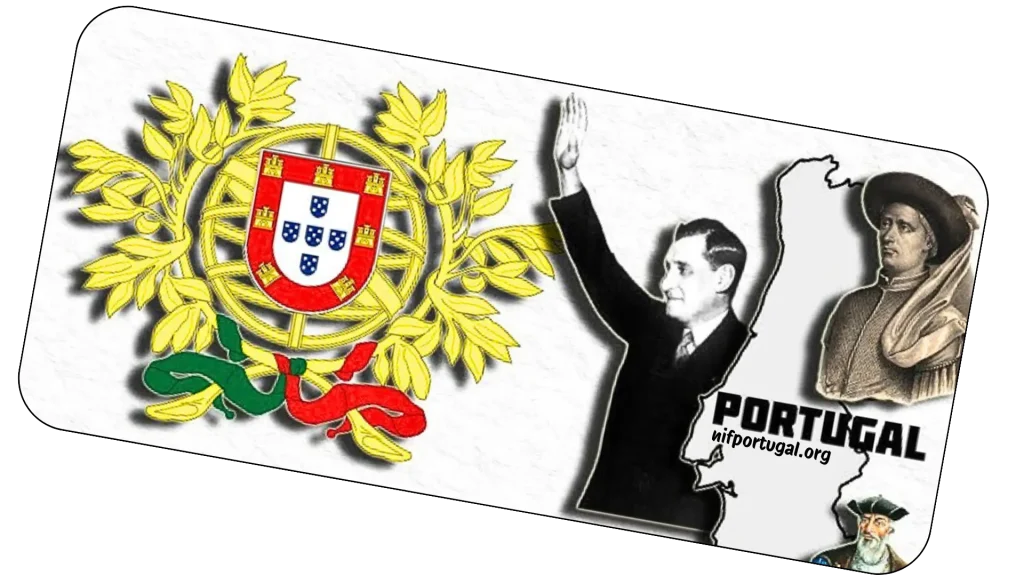
Additionally, they introduced new agricultural practices, irrigation systems, and a rich cultural heritage that included advancements in science, art, and literature. The Moors ruled for several centuries, significantly influencing Portuguese culture, particularly in the Algarve region.
2. The Reconquista
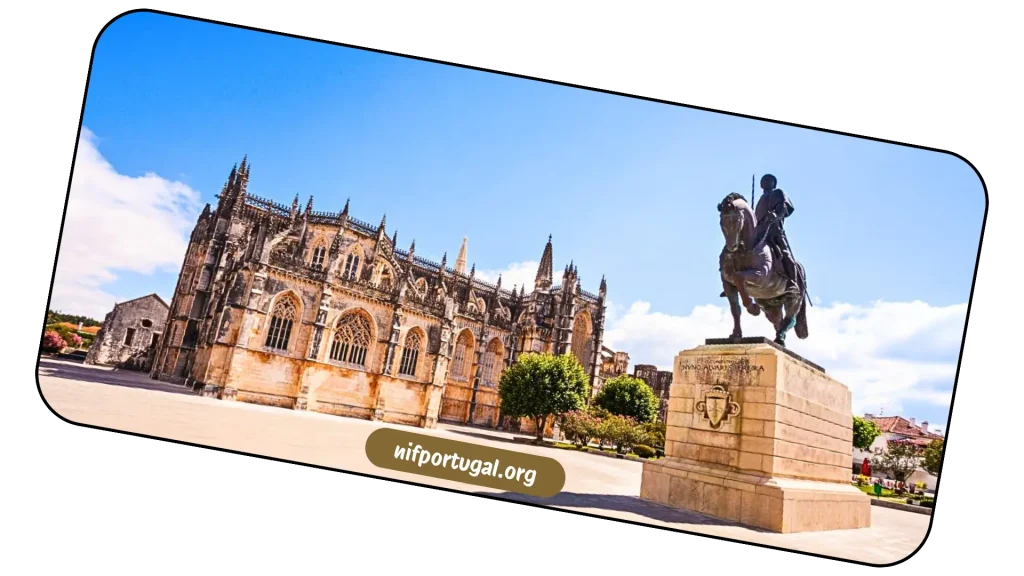
The Christian reconquest, known as the Reconquista, began in the 8th century and lasted until the 15th century. In 1139, Afonso I declared himself King of Portugal after a decisive victory at the Battle of Ourique. The Kingdom of Portugal was formally recognized in 1143 with the Treaty of Zamora, which established Portugal’s independence from the Kingdom of León.
Additionally, continuous battles and the gradual reclaiming of territory from the Moors marked this period. The capture of Lisbon in 1147 by Afonso I and a group of crusaders was a significant milestone in the Reconquista
Age of Exploration in History of Portugal
1. Rise of the Portuguese Empire
The 15th and 16th centuries marked the Age of Exploration for Portugal. Prince Henry the Navigator, a key figure in promoting exploration, established a navigation school at Sagres and funded numerous expeditions along the African coast.
Moreover, Portuguese explorers like Vasco da Gama, who reached India in 1498, and Ferdinand Magellan, who led the first circumnavigation of the Earth, played crucial roles in expanding global trade routes and establishing a vast maritime empire. Portugal’s explorations led to the discovery of new lands and sea routes, significantly impacting international trade and cultural exchanges.
Additionally, the Treaty of Tordesillas in 1494, brokered by the Pope, divided the newly discovered lands outside Europe between Portugal and Spain. Meanwhile you can explore all types of Portugal visas.
2. Economic and Cultural Impact
The discoveries during the Age of Exploration had a profound impact on the global economy. Portugal established trade routes and colonies in Africa, Asia, and South America, including Brazil. These colonies became major sources of wealth, bringing in gold, spices, and other valuable commodities.
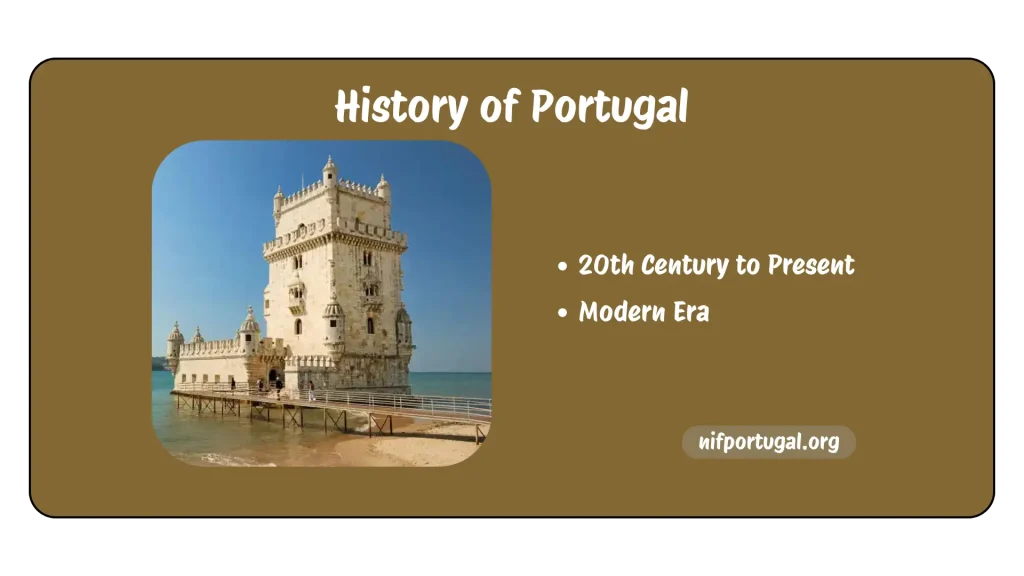
Additionally, the cultural exchange between Portugal and its colonies enriched Portuguese culture, introducing new foods, art forms, and traditions. The wealth from these colonies funded significant architectural and cultural projects in Portugal, such as the Jerónimos Monastery and the Tower of Belém in Lisbon.
7th to 19th Centuries
1. Decline and Restoration
The Portuguese Empire faced challenges in the 17th century, including competition from other European powers like the Dutch, English, and French, and internal conflicts such as the Portuguese Restoration War. In 1640, Portugal regained its independence from Spain after 60 years of the Iberian Union.
Moreover, the Portuguese Restoration War culminated in the Treaty of Lisbon in 1668, which recognized Portugal’s sovereignty. This period of restoration was crucial for maintaining Portugal’s sovereignty and rebuilding its strong conomy. The Methuen Treaty of 1703 with England strengthened economic ties and trade.
2. The Enlightenment and Napoleonic Wars
The Enlightenment brought new ideas to Portugal, influencing its society and culture. The Marquis of Pombal, a prominent statesman, implemented numerous reforms in the 18th century, modernizing the economy and education system.
Moreover, the catastrophic Lisbon earthquake of 1755 led to significant reconstruction efforts under his leadership. In the early 19th century, Portugal faced invasions by Napoleonic forces, leading the Portuguese royal family to flee to Brazil in 1807.
Similarly, this move had significant implications, including the eventual independence of Brazil in 1822. The Peninsular War (1807-1814) against Napoleonic France had a lasting impact on Portugal, leading to political and social changes that shaped its modern identity.
20th Century to Present
1. Political Turmoil and the Republic
The 20th century was a time of great change in Portugal. The monarchy fell in 1910, leading to the establishment of the First Portuguese Republic. The republic faced significant instability, with frequent changes in government and social unrest. In 1926, a military coup established a dictatorship, which later evolved into the Estado Novo regime under António de Oliveira Salazar.
Additionally, this authoritarian regime lasted until the 1970s, marked by censorship, political repression, and economic control. Despite the regime’s stability, it was characterized by economic stagnation and isolation from the broader European community.
2. The Carnation Revolution and Modern Era
In 1974, the Carnation Revolution ended decades of dictatorship in Portugal. This peaceful revolution, marked by soldiers placing carnations in their rifles, led to the establishment of democracy and significant social and economic reforms. Portugal decolonized its overseas territories, and in 1986, it joined the European Union, ushering in a new era of economic growth and modernization.
Moreover, the transition to democracy also brought about greater political freedoms and integration into the international community. Today, Portugal is a vibrant democracy with a rich cultural heritage and a significant role in the European community.
Conclusion
Portugal’s rich history and the legacy of its empire are a testament to its enduring influence on the world stage. From the dawn of ancient civilizations and Roman rule to the transformative Age of Exploration, Portugal has consistently demonstrated its resilience and innovation.
Moreover, the Portuguese Empire, once a vast network of territories spanning Asia, Africa, and South America, revolutionized global trade, culture, and knowledge.
Figures like Vasco da Gama and Prince Henry the Navigator symbolize the bold spirit that propelled Portugal into becoming a pioneer of exploration. These historical milestones not only enriched the nation but also shaped the modern world in profound ways.
Today, the legacy of the Portuguese Empire lives on in the cultural connections and linguistic ties that unite millions across continents. Modern Portugal, with its democratic institutions and vibrant culture, serves as a bridge between its storied past and a promising future.
Additionally, whether through its iconic landmarks, celebrated traditions, or enduring global influence, Portugal continues to inspire as a nation that embraces its history while looking forward to new horizons. The tale of Portugal is not just about conquest and exploration; it is about adaptation, cultural exchange, and the enduring human quest for discovery and understanding.